
Gold Plated vs PVD 18K: How to Read the Label in France
The same gold-tone chain can carry four different labels in France, with four very different lifespans behind them. Here is what each word is legally allowed to mean.

Gold Plated vs PVD
Walk into any French shopping-centre jeweller, or scroll any D2C store, and the gold-tone chains look identical in photos. The label is where they part ways: in France the words on a product page are regulated, and each one commits the seller to a different minimum construction.
This guide decodes that vocabulary, compares the two processes behind most gold-tone men's chains (electroplating and PVD), looks at what a generalist high-street jeweller does and does not publish, and ends with the four questions that tell you more than any brand name.
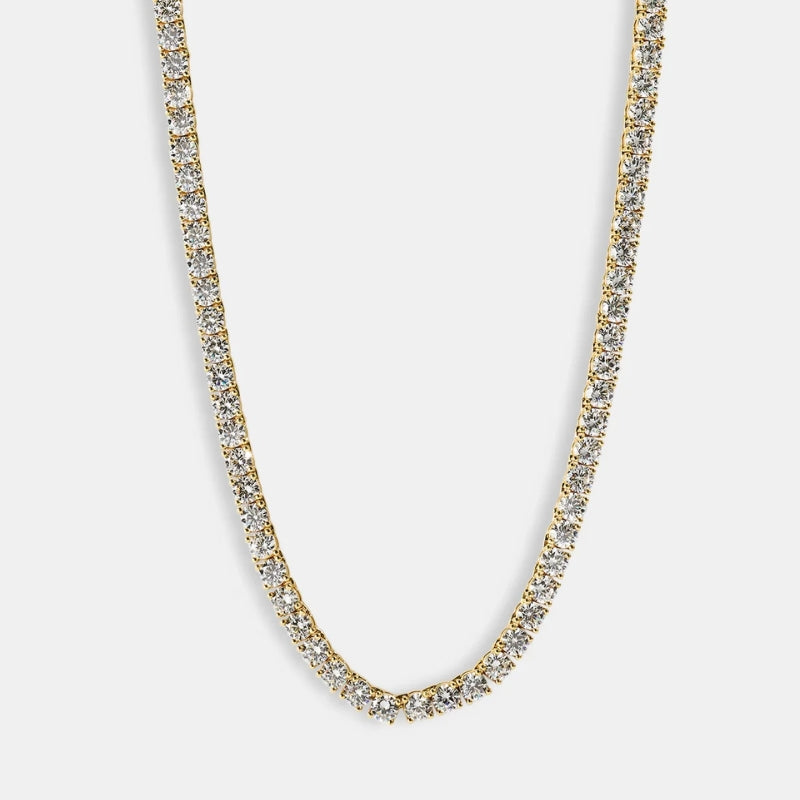
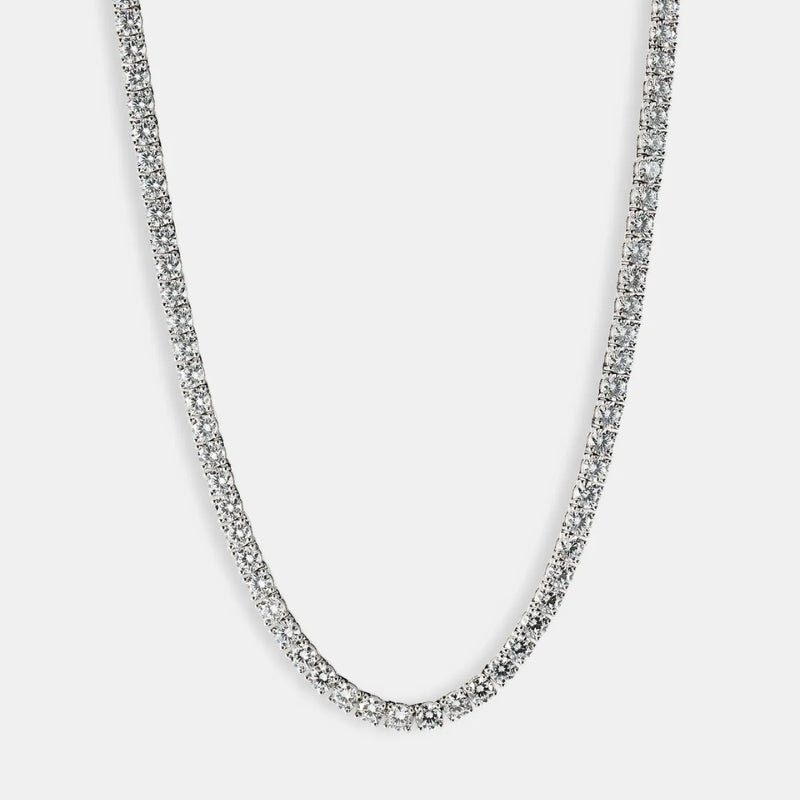
Disclosure up front: we run Monrich, a men's jewellery brand that sits in this category, and our own spec is examined under the same light below. The men's Cuban chains collection is the visual reference as you read.
The words on the label, legally speaking

French consumer rules give each gold word a floor. Knowing the floors turns a label into information.
- Dore (gilded): any gold coating under 3 microns. Most fast-fashion pieces, typically 0.3 to 0.5 microns of electroplating, legally belong here.
- Plaque or (gold plated): a protected designation in France. The gold layer must reach at least 3 microns; below that threshold a piece must be sold as dore, and enforcement by the DGCCRF, the French consumer watchdog, has tightened since 2024. When a French jeweller prints plaque or, the law itself guarantees a real thickness floor.
- Vermeil: gold over solid sterling silver, also a regulated designation, with its own minimum thickness. A precious base under the gold.
- Gold PVD: not a thickness designation but a process. Physical Vapor Deposition bonds gold to the base metal in a vacuum chamber; serious brands state the thickness themselves, typically 1 to 2 microns.
- Solid gold: the metal through and through, priced by weight, hallmarked.
Electroplating vs PVD: two different games
Thickness is only half the story. The process and the base metal decide how a coating ages.
Electroplating
The piece is submerged and gold is deposited by electric current. Fast and inexpensive, which is why it dominates the category. A hallmark-grade 3 micron plate is genuinely thicker than the sub-micron coats of fast fashion, and it lives proportionally longer. The catch sits underneath: most plated high-street jewellery uses a brass base, and where the layer eventually thins at clasps and friction points, brass shifts colour and can react with skin.
PVD
Physical Vapor Deposition bonds gold to the surface in a vacuum, producing a layer that is measurably harder and more adherent than an electroplated coat of the same thickness. It is the finish technology of the watch industry. Applied over 316L stainless steel, it changes the failure mode entirely: even where a PVD layer wears after years, the metal underneath is corrosion-resistant, hypoallergenic steel rather than reactive brass.
So the honest comparison is not one number against another. Three microns of gold over brass and one to two microns of PVD over steel are different bets: the first buys gold volume, the second buys hardness plus a base that never turns.
What the high-street label does and does not say

Histoire d'Or, France's largest jewellery chain, is a useful real-world example, and a fair one.
Its men's plated section lists around 34 chains between roughly 65 and 179 euros, labelled Plaque a l'Or 18 carats. Because the designation is legally protected, that label alone guarantees at least 3 microns of 18K gold: a genuine step above unlabelled fashion jewellery, and worth saying plainly.
What the listing pages do not state is everything else a buyer would want: the base metal under the gold, the actual thickness beyond the legal floor, and whether any written warranty covers plating wear rather than manufacturing defects. That is not a fault unique to one retailer; it is how generalist retail works, and the reason specialist D2C brands compete by publishing the full specification instead.
Our reviews of ZAG Bijoux and Trendhim apply the same reading grid to two very different players.
The five constructions, side by side
Typical figures for men's chains on the French market.
| Construction | Gold layer | Base metal | Typical price | Best for |
|---|---|---|---|---|
| Gilded (dore), standard electroplating | 0.3-0.5 micron | Brass or alloy | 15-40 EUR | Occasional styling |
| Plaque or (French hallmark) | 3 microns minimum, guaranteed by law | Usually brass, rarely stated | 65-180 EUR | Careful wear, classic retail |
| Gold PVD on 316L steel | 1-2 microns, declared by serious brands | 316L stainless steel | 40-110 EUR | Daily wear, gym, shower |
| Vermeil | Regulated minimum over silver | Sterling silver 925 | 150-400 EUR | Precious base, gold look |
| Solid gold | Through and through | Gold | 500 EUR to five figures | Heirloom, investment |
Reading a product page in four questions

Whatever the brand, the same four questions separate a specification from a slogan.
- What is the base metal? Brass and steel age differently once the layer thins.
- What is the process? Electroplating and PVD are different technologies, not different marketing words.
- What is the thickness, in microns? A number, not an adjective. In France, plaque or legally implies at least 3; everything else should be declared.
- Is there a written warranty on plating wear? Most lifetime guarantees cover manufacturing defects only.
Where Monrich stands under this exact grid, stated plainly: our chains are premium 316L stainless steel with 18K gold PVD plating, 1 to 2 microns declared on every product page. That is below the 3 micron threshold of the French plaque or hallmark, and we say so rather than borrow the word: the promise rests on the PVD process, the steel base and a written 12-month tarnish warranty, with a permanent 2-for-1 across the catalogue. Judge it against the table above, not against the adjective.
Frequently asked questions
Is gold plated jewellery real gold?
The layer is real gold, typically 18K, over a non-gold base. What varies is how much gold: from 0.3 microns on fast-fashion pieces to a legal minimum of 3 microns for the French plaque or designation.
What is the difference between dore and plaque or in France?
Thickness, fixed by law: under 3 microns of gold a piece must be sold as dore (gilded); plaque or is reserved for 3 microns and above, and French market controls on the claim have tightened since 2024.
Is PVD better than plaque or?
Different bets rather than a ranking. Hallmarked plaque or buys more gold volume, usually over brass. Gold PVD buys a harder, vacuum-bonded layer over 316L steel, which handles daily wear and water better. For everyday chains, process plus base tends to matter more than microns alone.
Why does some gold plated jewellery turn dark?
Usually the base metal, not the gold: once the layer thins at friction points, brass underneath oxidises and shifts colour. A 316L steel base avoids that failure mode, which is why the base metal question matters as much as thickness.
What should I buy for a 100 euro men's chain?
At that budget you can demand a full specification: named base metal, named process, thickness in microns and a written wear warranty. Both a hallmarked plaque or piece and a declared gold PVD piece on steel are honest choices; unlabelled gilded brass at that price is not.
A number on every page.
Not an adjective.
Premium 316L stainless steel with 18K gold PVD plating, 1-2 microns declared on every piece. Written 12-month tarnish warranty, permanent buy one get one free.
See the declared specs → UK shipping 2-4 days / 30-day returns / no customs